
Tree Roots in Drains: Signs, Causes and How They're Removed
Uploaded on October 30, 2026
Created by 1st Response Drainage
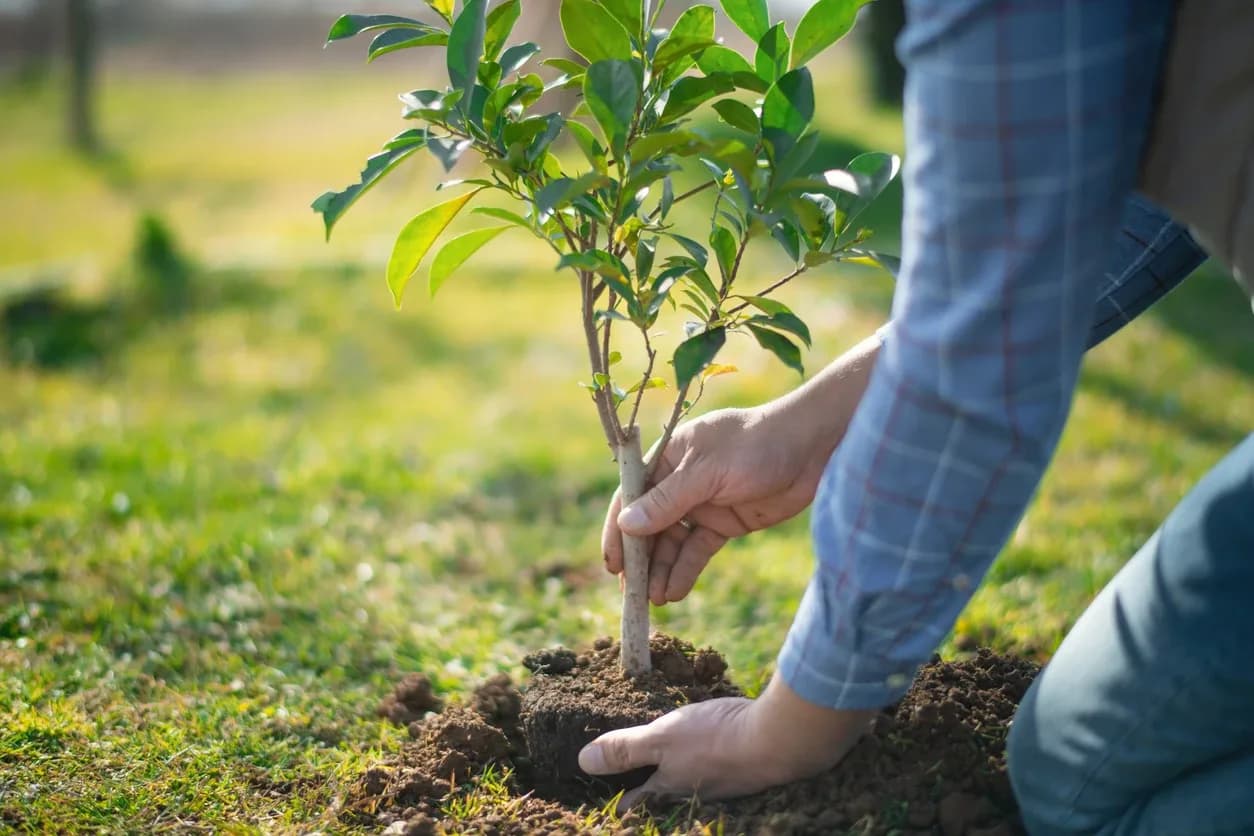
Tree roots can cause persistent drainage problems, particularly where underground pipes have developed cracks or gaps around their joints. A drain may be cleared successfully, only for the same blockage to return because roots are still growing inside the pipe.
Removing the obstruction is important, but understanding how the roots entered the drain is often the key to preventing further problems.
In this guide, we explain why roots enter drains, how to recognise possible root intrusion, what happens during a professional inspection and the options for removal and repair.
How Do Tree Roots Get Into Drains?
Tree roots grow through the surrounding soil in search of water and nutrients. Where a drainage pipe has a cracked wall, an open joint or another defect, roots may grow through that opening into the pipe.
Once inside, they can branch out and form a dense mass that catches waste and restricts the flow of water.
Older drainage systems with jointed clay pipes can be particularly vulnerable where joints have deteriorated or moved over time. However, the age of a property alone does not prove that its drains have root damage.
Roots generally exploit an existing opening; their presence does not automatically mean a tree has crushed an otherwise sound pipe. An inspection is needed to establish the condition of the drainage system.
Signs You May Have Tree Roots in Your Drains
Root intrusion is difficult to confirm from above ground because its symptoms overlap with several other drainage problems.
Possible warning signs include:
- Recurring blockages: the same drain blocks again after being cleared.
- Slow drainage: water takes longer than usual to leave sinks, toilets or outside drains.
- Gurgling sounds: air movement becomes noticeable as wastewater struggles to pass through a restriction.
- Water backing up: wastewater rises in a gully or inspection chamber.
- Problems near established trees or hedges: particularly where older underground pipework is present.
None of these signs confirms root intrusion on its own. Grease, scale, displaced joints and other obstructions can cause similar symptoms.
If the same drain repeatedly blocks, read our guide to what causes blocked drains for other possible explanations.
Can Tree Roots Damage Drainage Pipes?
Yes. Once roots have entered a pipe, continued growth can enlarge an existing defect, interfere with joints and contribute to further deterioration. A thick root mass can also trap debris, creating repeated blockages.
The important distinction is between removing the roots and repairing the route they used to enter.
Cutting roots away may restore the flow, but if a crack or defective joint remains, roots can potentially grow back through the same opening.
Not every affected pipe requires replacement. The right solution depends on the type and extent of the defect, the pipe's condition and whether a suitable repair can be carried out.
How Do Drainage Engineers Find Tree Roots?
A CCTV drainage survey is one of the most useful ways to investigate suspected root intrusion.
An engineer accesses the drainage system through a suitable inspection point and guides a specialist camera through the pipe. The footage can reveal root growth, its approximate position and any visible defects around the affected section.
If the roots or accumulated debris prevent the camera from travelling through the drain, some clearance may be needed before the pipe can be fully inspected.
The engineer can then reassess the pipe after clearance to determine whether the roots have entered through a damaged joint, a crack or another opening.
For a fuller explanation of the inspection process, see What Is a CCTV Drain Survey and When Do You Need One?.
How Are Tree Roots Removed From Drains?
Professional root intrusion removal typically involves specialist equipment selected for the pipe's condition and the extent of the root growth.
1. Assessing the Obstruction
The first step is to establish where the restriction is and whether the pipe appears safe to work on. The engineer may use CCTV equipment to assess the obstruction and surrounding pipework.
2. Cutting or Clearing the Roots
Suitable mechanical root-cutting equipment can be used to remove root growth from within the drain. In some circumstances, high-pressure water jetting may also help remove loosened material and other deposits.
The technique must suit the pipe. Aggressive cleaning of badly damaged drainage can make an existing defect worse, so inspection and professional judgement matter.
3. Checking the Pipe Afterwards
Once the obstruction has been removed, a follow-up camera inspection can help reveal defects that were previously hidden by roots or debris.
This is an important stage: restoring the flow does not necessarily mean the underlying cause has been resolved.
4. Recommending Any Necessary Repair
If roots entered through a damaged section, the engineer can advise whether a repair is appropriate to reduce the likelihood of further intrusion.
Will Tree Roots Grow Back After Removal?
They can. If the opening into the drainage pipe remains, roots may return over time.
The speed and likelihood of regrowth depend on factors such as the nearby vegetation, moisture conditions and the condition of the pipe.
This is why repeated root cutting without investigating the entry point may only provide temporary relief.
Where a suitable repair can seal the defect, addressing the opening can offer a more lasting solution than removal alone.
Can Root-Damaged Drains Be Repaired Without Digging?
In some cases, yes.
If the damage is localised and the pipe is otherwise suitable, patch liners and no-dig repairs may be an option. A patch liner is installed inside the affected section to seal a defect without excavating the entire drainage run.
However, patch lining is not appropriate for every situation. A severely collapsed, extensively displaced or otherwise unsuitable pipe may require a different repair method, potentially including excavation.
A CCTV inspection helps establish which option is appropriate rather than assuming that every root problem requires a new drain.
Should You Remove the Tree?
Not necessarily.
Finding roots inside a drain does not automatically mean that the nearby tree needs to be removed. The immediate priority is to establish the pipe defect and determine whether the drainage system can be repaired.
Tree removal can have legal and practical implications, including Tree Preservation Orders and conservation-area restrictions. If work to a tree is being considered, seek advice from a suitably qualified tree professional and check any applicable permissions first.
For many drainage problems, investigating and repairing the pipe is the more relevant starting point.
Root Intrusion and Older Drainage Systems
Older pipework may have been exposed to decades of ground movement and changes in surrounding conditions. Small defects can gradually develop around joints, creating opportunities for root growth.
Periods of dry weather can also affect some soils and the ground surrounding older drainage pipes. We explored that relationship in How Summer Drought Can Affect Older Drainage Systems.
However, the presence of trees or an older drainage system does not, by itself, mean roots are responsible for a blockage. The cause should be confirmed before repair work is recommended.
Tree Root Removal Across Norfolk, Suffolk & Cambridgeshire
1st Response Drainage investigates and clears drainage problems across Norfolk, Suffolk and Cambridgeshire, including suspected root intrusion in underground pipework.
Our service areas include Bury St Edmunds, Norwich, Thetford and Soham, alongside surrounding towns and villages.
Whether a blockage has returned after previous clearance or you suspect roots have entered an older drain, an inspection can help identify the cause and the most appropriate next step.
You can also browse our full list of service locations.
Our Expert Advice
If a drain keeps blocking in the same place, ask what is causing the obstruction to return.
Root removal can be an effective way to restore flow, but the condition of the pipe matters just as much as the roots themselves.
A CCTV inspection before or after clearance can help identify whether there is a crack, open joint or another defect that needs attention. Where a repair is appropriate, dealing with that entry point may reduce the risk of another blockage and repeated callouts.
The aim should be to resolve the underlying problem, not simply to clear the same drain again and again.
Related Drainage Guides
- What Is a CCTV Drain Survey and When Do You Need One?
- What Causes Blocked Drains?
- How Summer Drought Can Affect Older Drainage Systems
- How Heavy Rain Can Affect Your Drains
FAQs
How do I know if tree roots are blocking my drains?
Recurring blockages, slow drainage and backing-up water can be warning signs, particularly around older pipework near trees. However, these symptoms have several possible causes. A CCTV drain inspection is usually needed to confirm root intrusion.
Can tree roots grow through drainage pipes?
Roots commonly enter through existing cracks, gaps or defective joints. Once inside, they can grow and potentially worsen the defect. The exact damage should be assessed rather than assumed.
Can high-pressure water jetting remove tree roots?
Water jetting may be useful in some circumstances, but established root masses often require specialist cutting equipment. The appropriate method depends on the pipe's condition and the extent of the intrusion.
Is removing roots enough to fix the problem permanently?
Not always. If the opening through which the roots entered remains, regrowth is possible. A suitable repair may be recommended after clearance and inspection.
Do I need to replace a drain if roots have entered it?
Not necessarily. Some localised defects may be suitable for patch lining or another repair method. More extensive damage may require replacement. A professional inspection helps determine the options.
Should I cut down a tree if its roots have entered my drains?
Not automatically. Investigating and repairing the damaged drainage pipe may be more appropriate. Seek qualified arboricultural advice and check any legal protections before considering tree work.
Concerned About Tree Roots in Your Drains?
If your drains keep blocking or you suspect roots have entered the pipework, 1st Response Drainage can investigate the problem and advise on the appropriate next steps.
We provide root intrusion removal, CCTV drainage surveys and drain repairs across Norfolk, Suffolk and Cambridgeshire.
Contact 1st Response Drainage to discuss your drainage problem or find your local service area.
Need Drainage Help Today? We're Ready To Respond!
Whether it's a blocked drain, CCTV survey or urgent repair, our local engineers are on standby to help across East Anglia. Fast, reliable service, whenever you need it.
Request a CalloutCall today on 07537149523